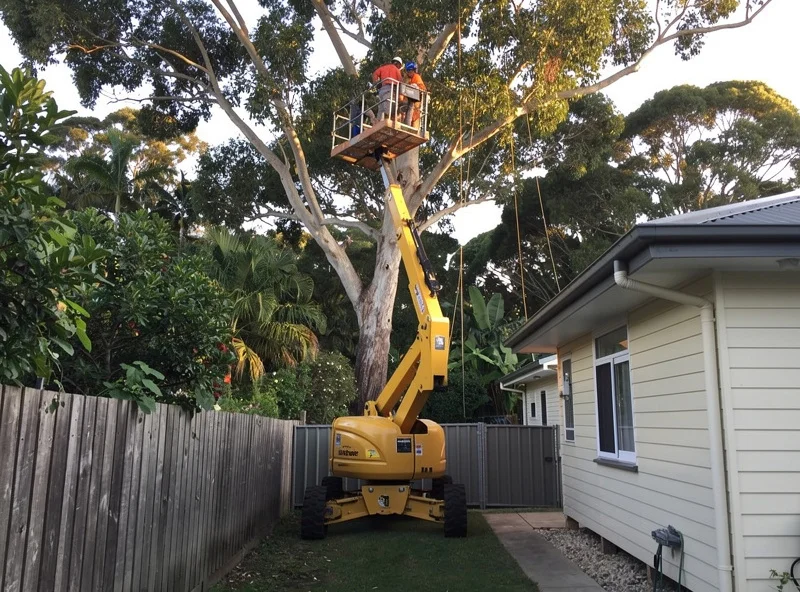
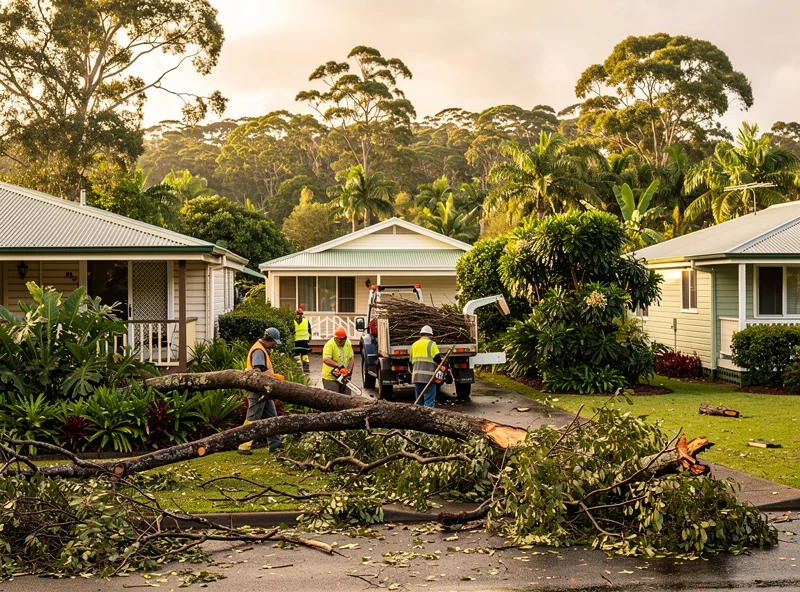
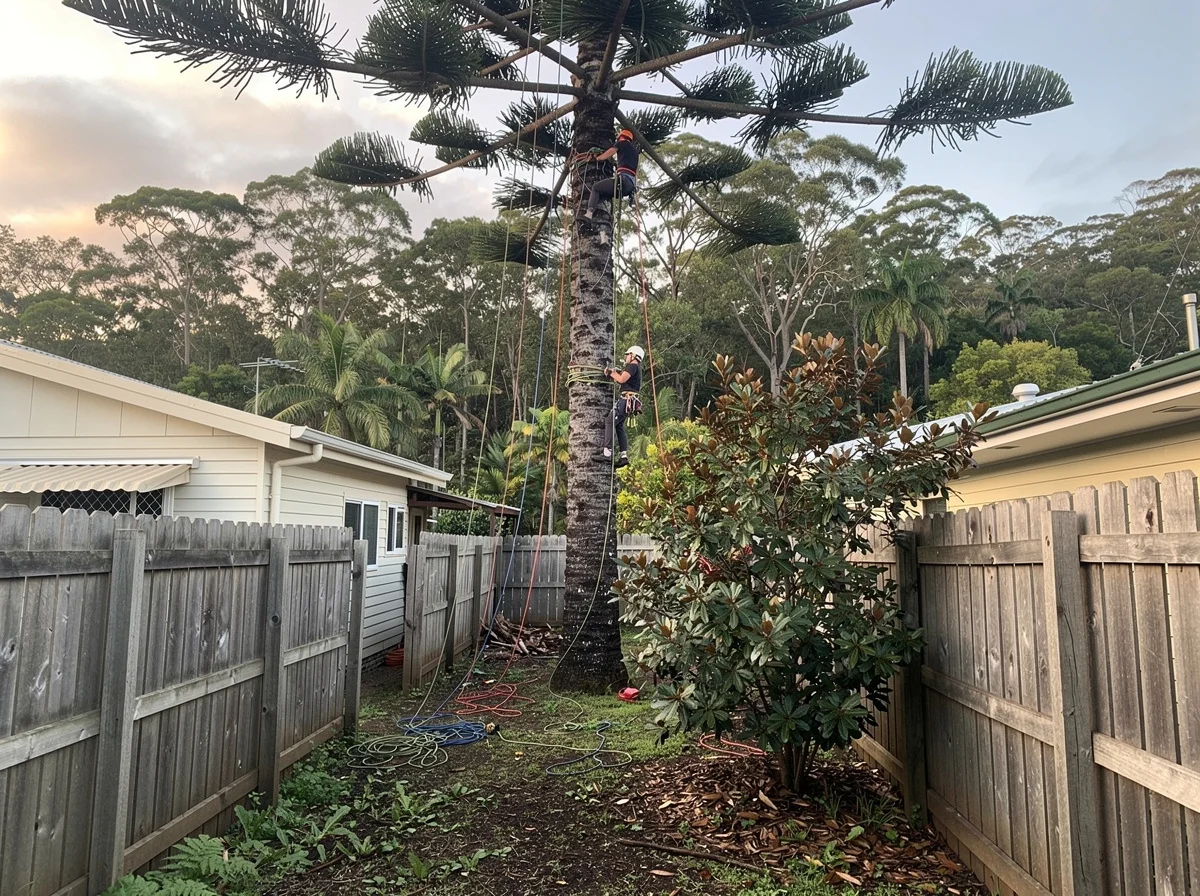
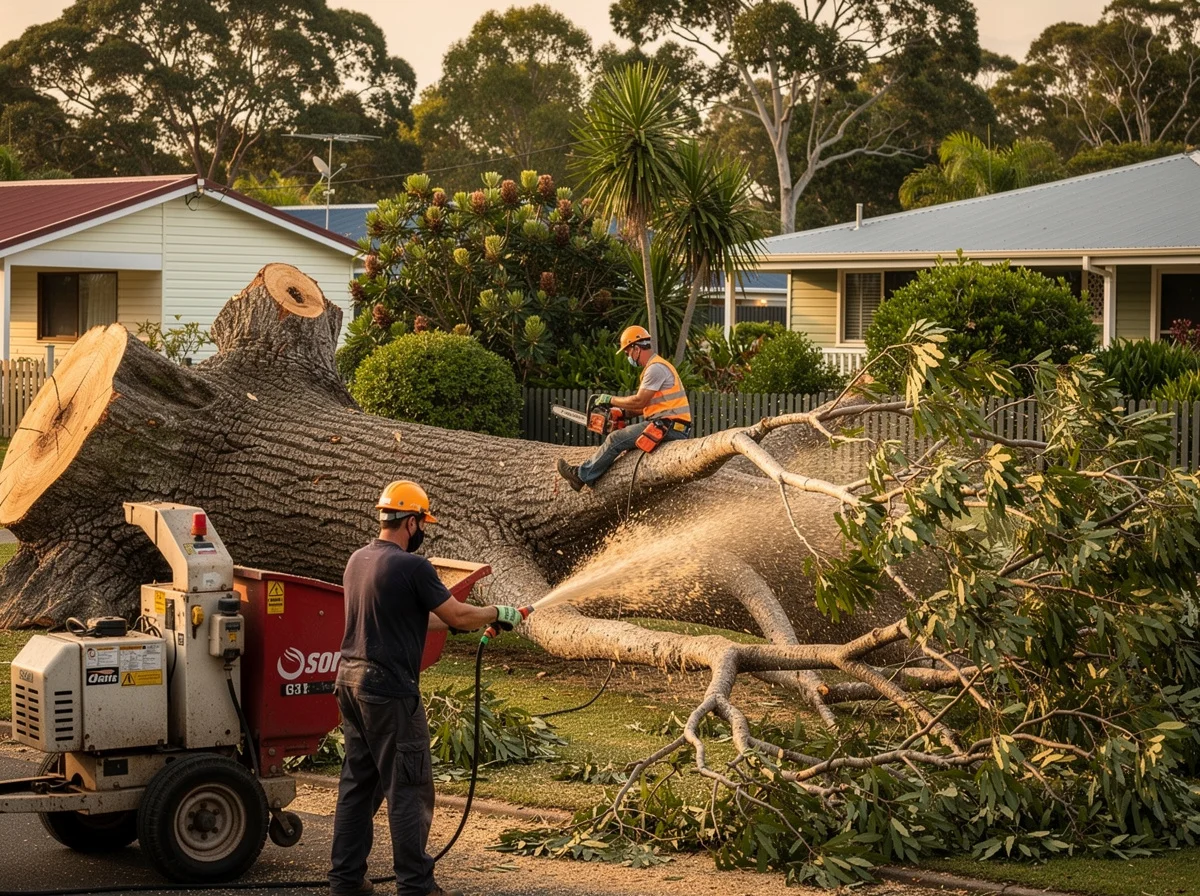
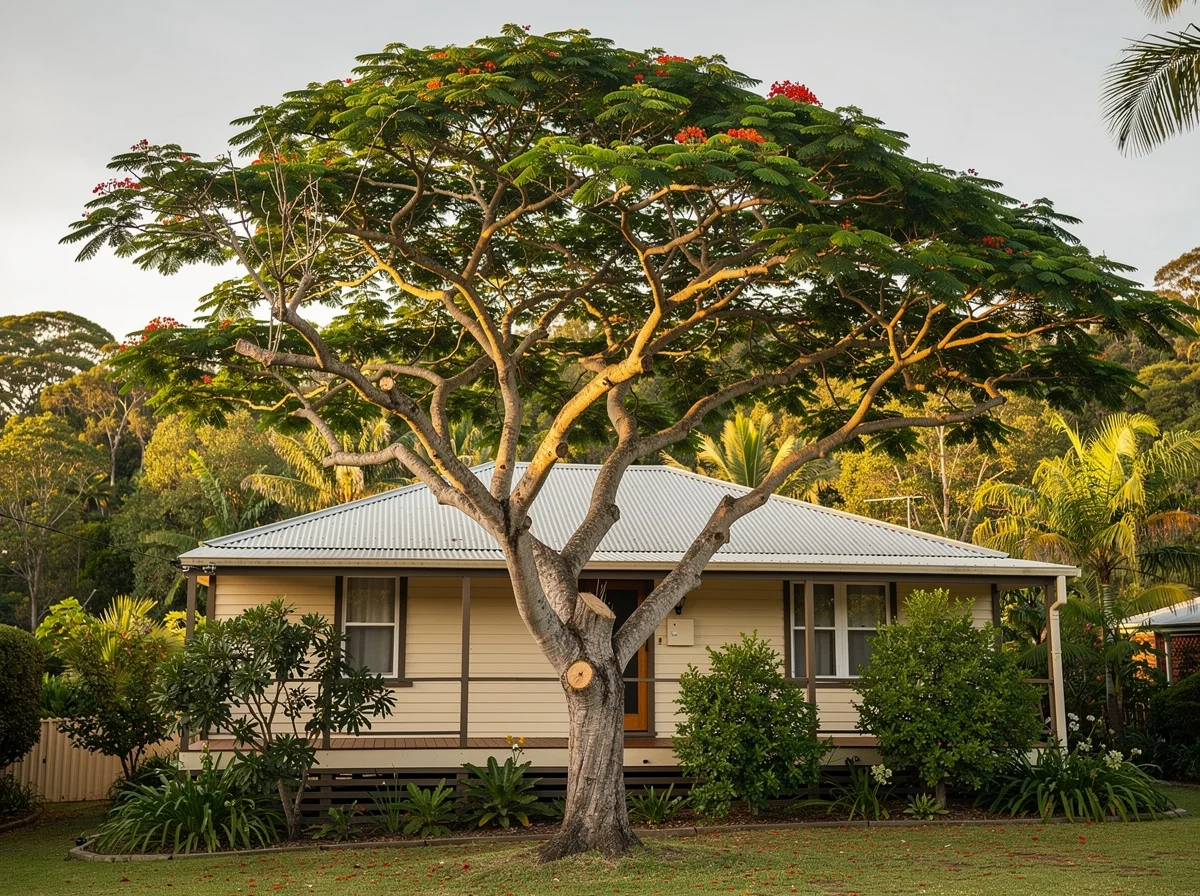
Bilambil is the rural pocket just below our Bilambil Heights base, so it's about as local as a job gets for us. It's bigger blocks, horse properties and genuine acreage, with large old gums and camphor laurels that need a crane or an EWP and the room to use them. We're across the same rural roads every week, including Bungalora, Cobaki, Cobaki Lakes, Piggabeen and Carool.
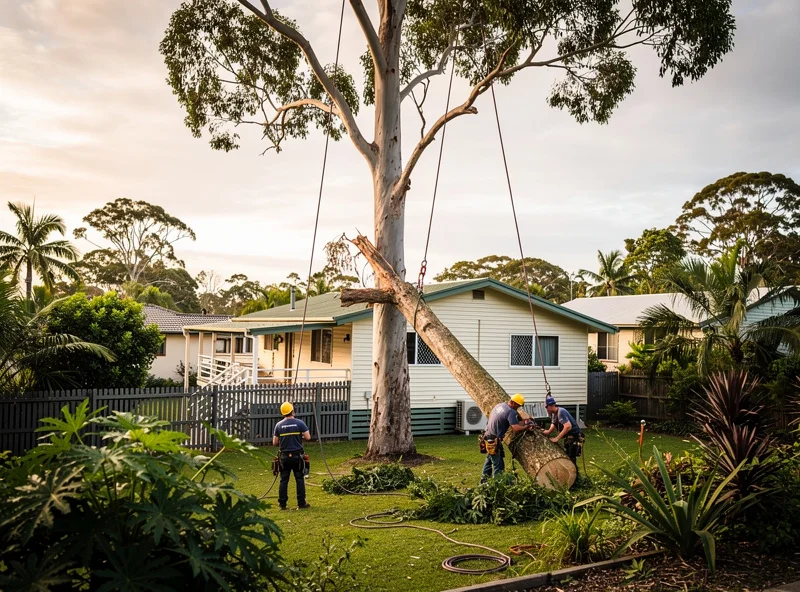
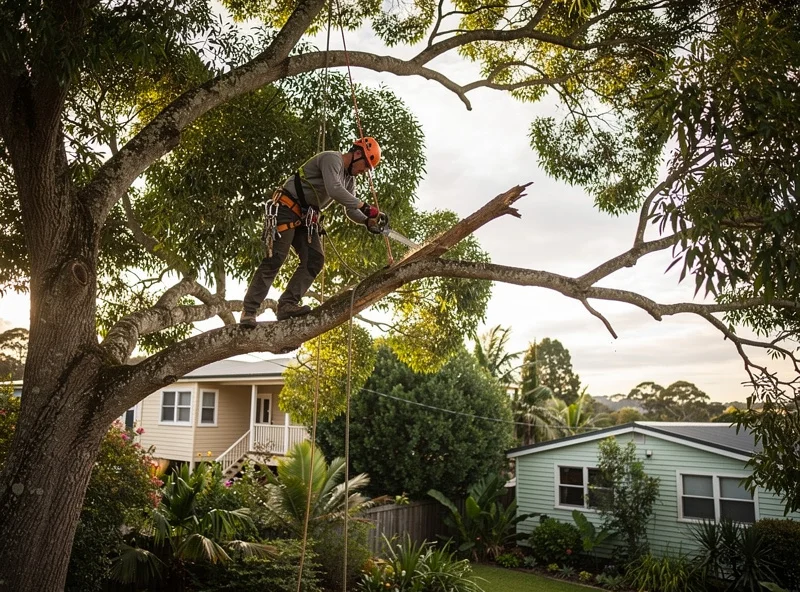
Bilambil is home turf. Our base is up the hill at Bilambil Heights, so the village and the rural blocks around it are some of the closest jobs we do. Out here it’s acreage, horse properties and big rural holdings, and the trees match: large old gums, the occasional enormous camphor laurel, and natives that have had decades to get serious. When one of those needs to come down near a house or a shed, it’s crane or EWP work, and it needs the room and the rigging to do it in control.
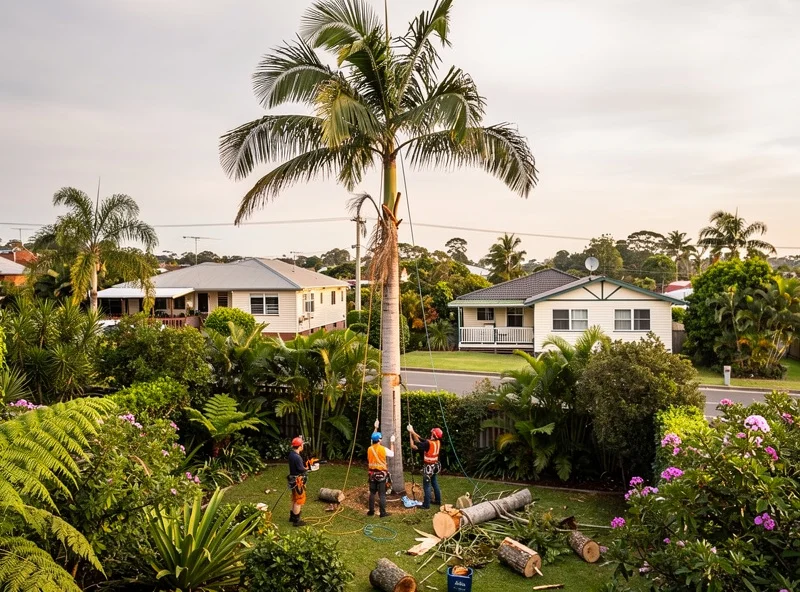
The same goes for the localities that sit around Bilambil. We’re regularly through Bungalora, Cobaki, Cobaki Lakes, Piggabeen and Carool, and the work has the same character: bigger blocks, longer driveways, and access that has to be sorted before the machinery turns up. Being based next door means we can look at it fast.
It’s all Tweed Shire (NSW), so the council rules are the ones we know best. The large gums are frequently in the protected “very large tree” category, and on rural-zoned land the rules can sit with Local Land Services instead of the council. We tell you which applies to your block, and write the scope to match, before any chainsaw work starts.