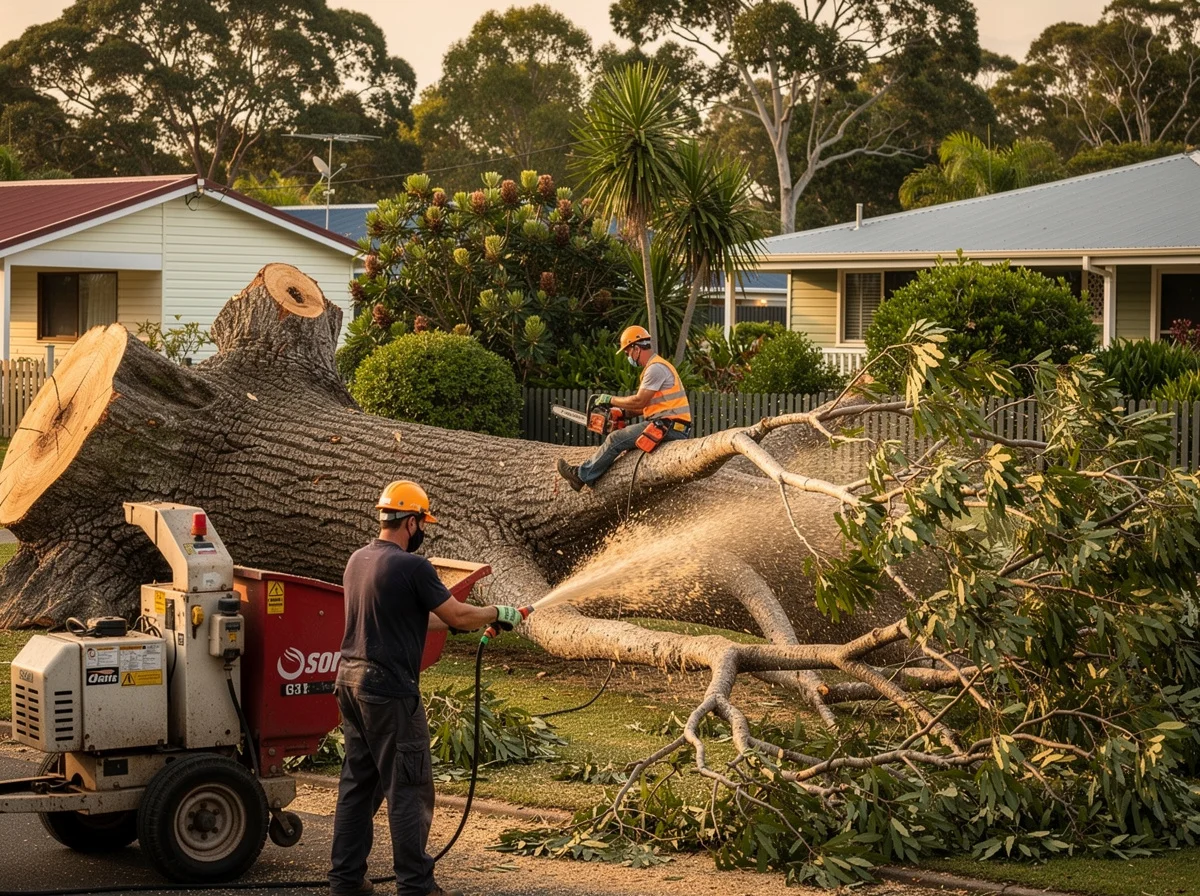
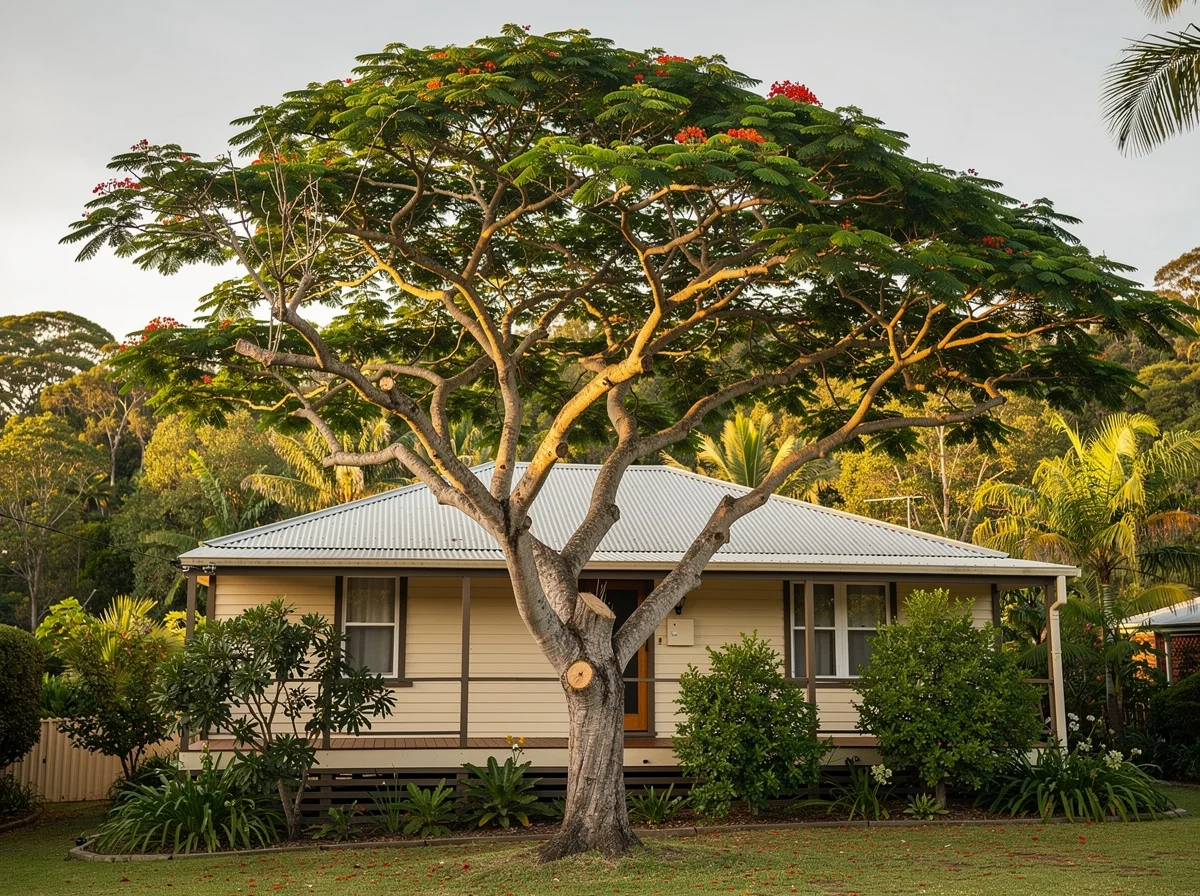
Palm Beach is in the middle of a renovation boom: original beach homes coming down for new builds, which means a lot of tree work tied to development. Add the cocos palms (ironic for the name) and the Tallebudgera foreshore trees, and there's plenty for us here.
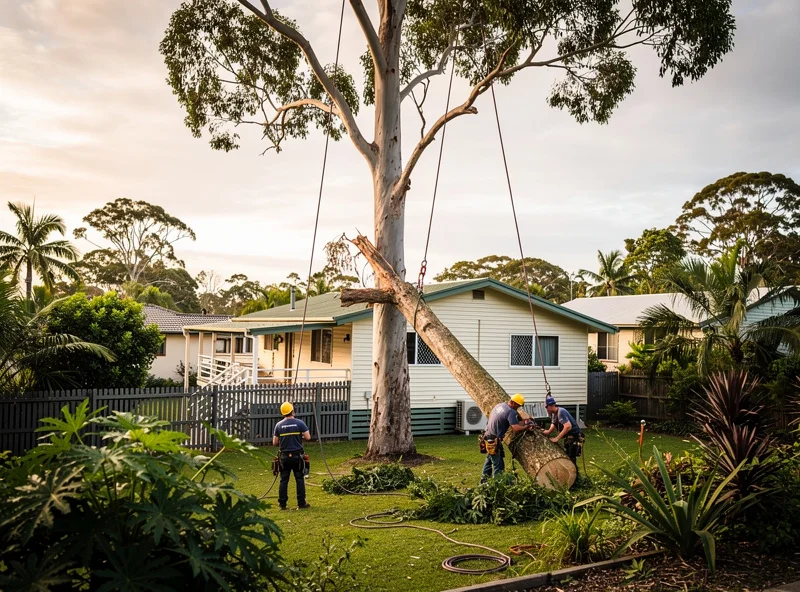
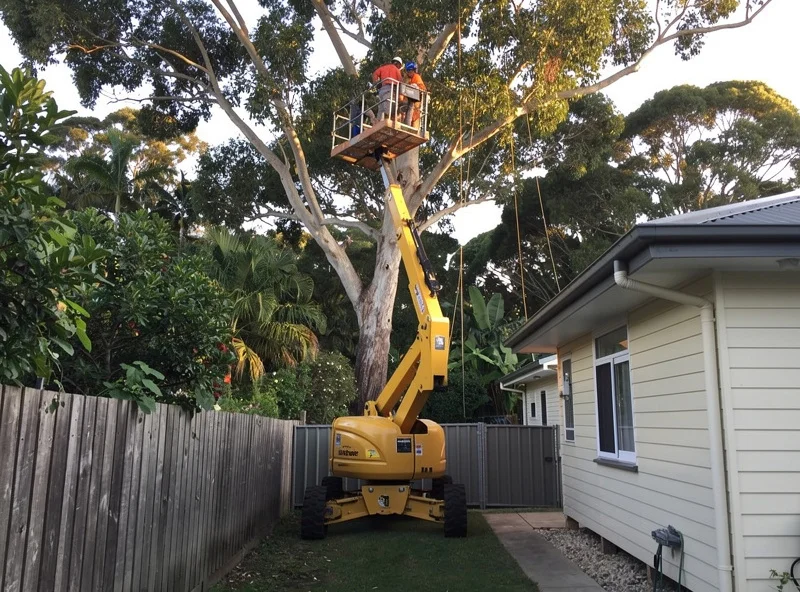
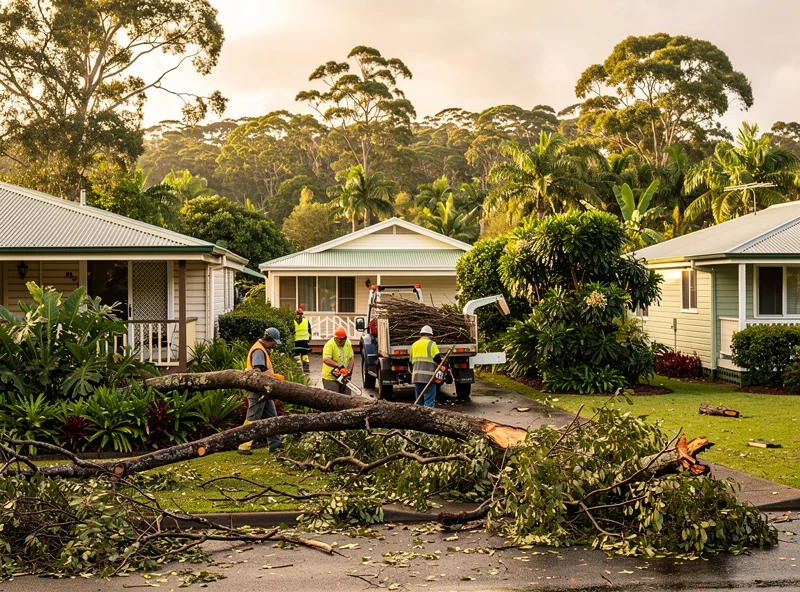
A lot of Palm Beach work right now is development-driven. Original homes are being knocked down and rebuilt, and that means trees coming out for the new footprint, the pool or the driveway. Healthy trees in the way of building work need the right council pathway, and where there are trees being retained near the build, a tree-protection plan to AS 4970 is often required. We coordinate the AQF Level 5 side of that through our partner.
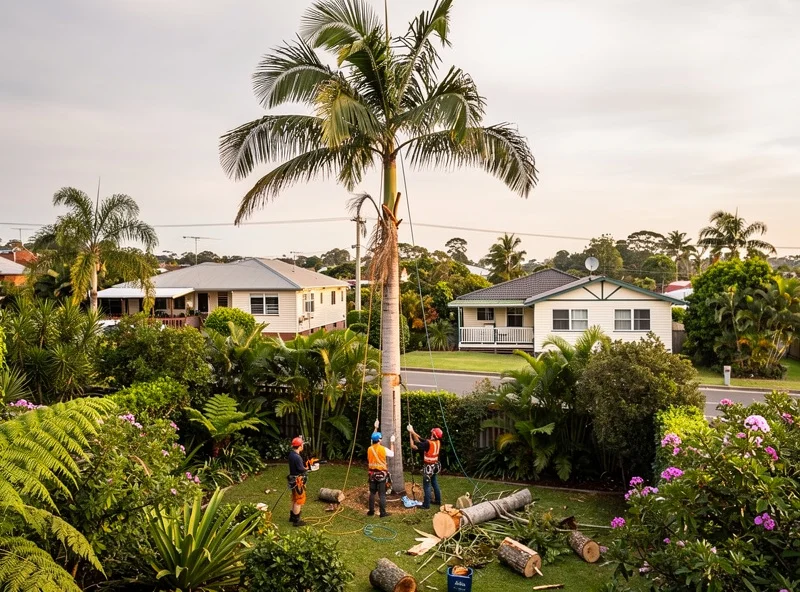
The everyday work is cocos palms and big figs. The cocos come out under the Gold Coast’s SO5 pest-species pathway with no application once Casey documents the ID. Anything near the Tallebudgera foreshore we check first, because creek-side and foreshore vegetation can carry extra protection.
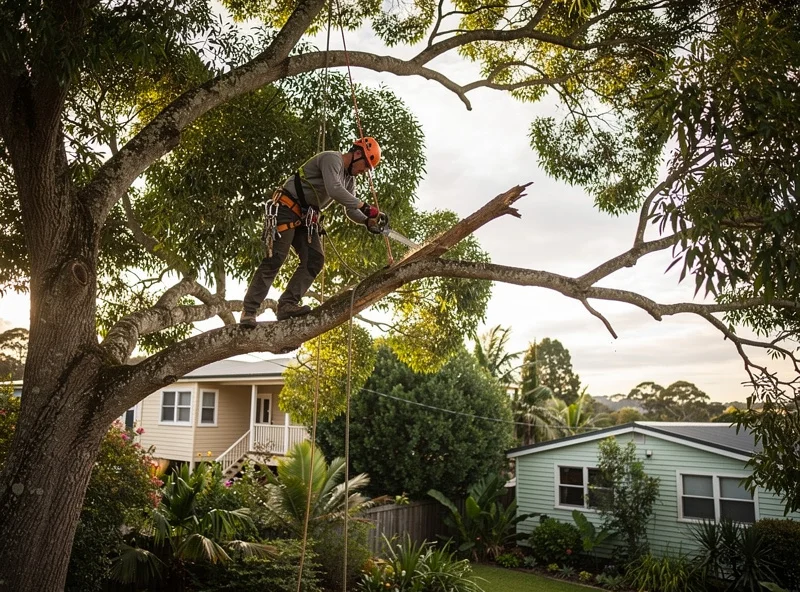
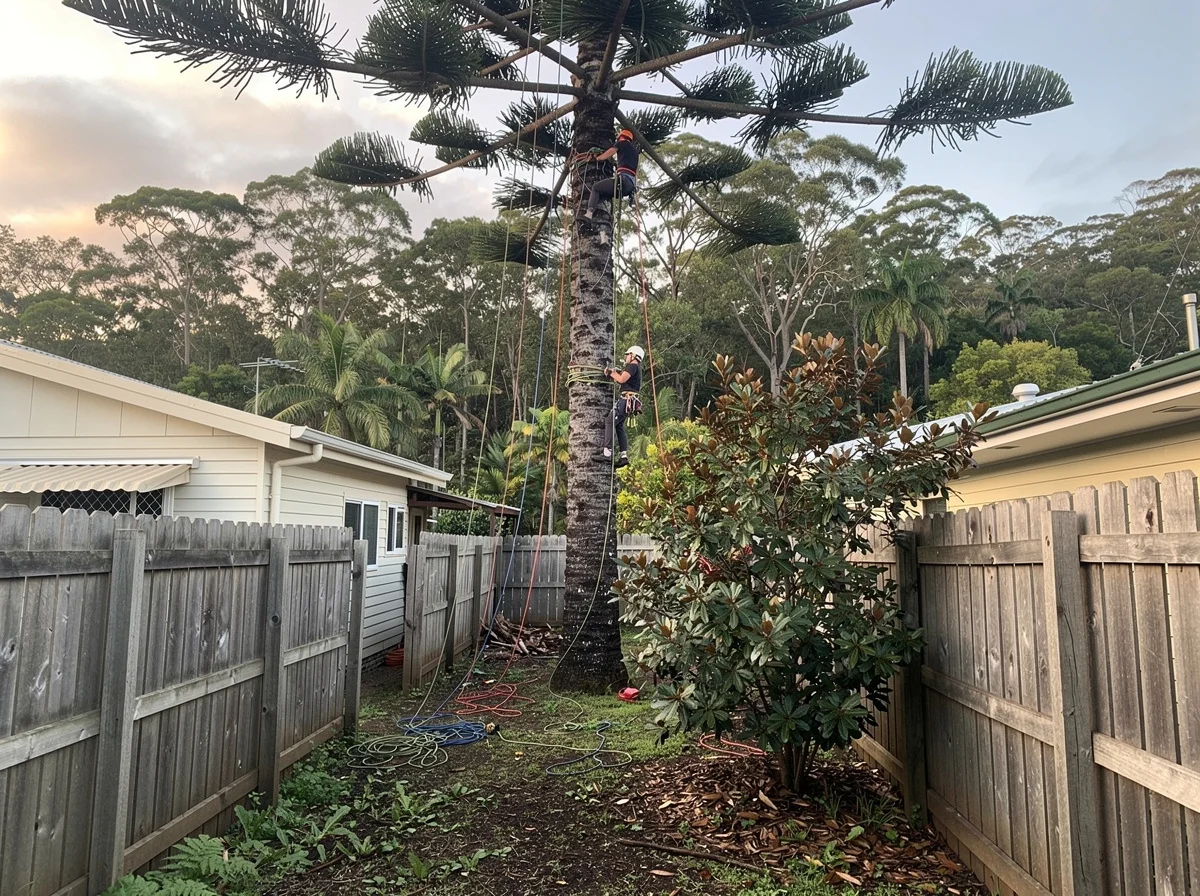
Being a beachside suburb, Palm Beach trees cop the salt and the onshore wind, and that shows up in the work. Trees on the front blocks get one-sided crowns leaning away from the breeze, salt-burnt foliage and limbs that fail at weak unions in a blow. Norfolk pines, pandanus and the older coastal natives can hold a lot of dead wood up high after a rough stretch of weather. We deadwood and reduce these to keep them sound rather than top them, since a hard cut on a wind-loaded tree usually makes it weaker, not safer. If a tree is over four metres or 40cm in girth, that work may be assessable, so we check before we prune and sort the pathway where it’s needed.