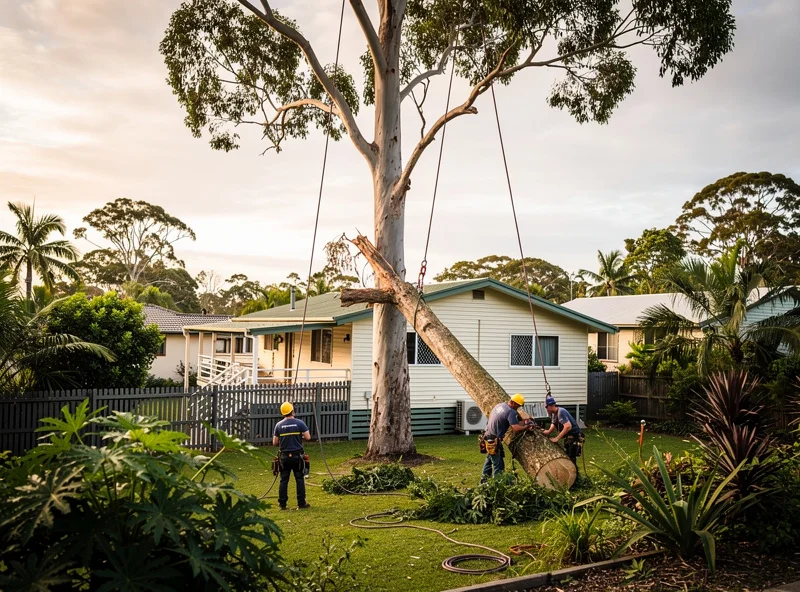
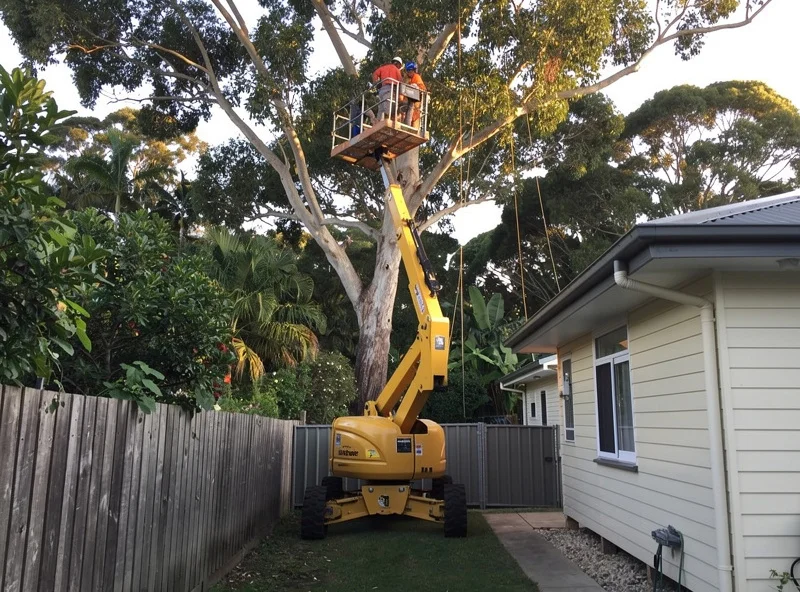
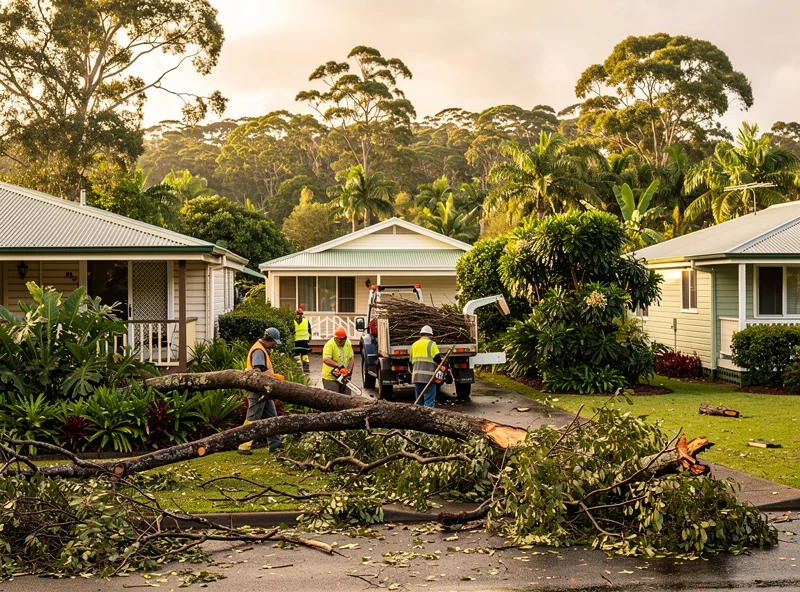
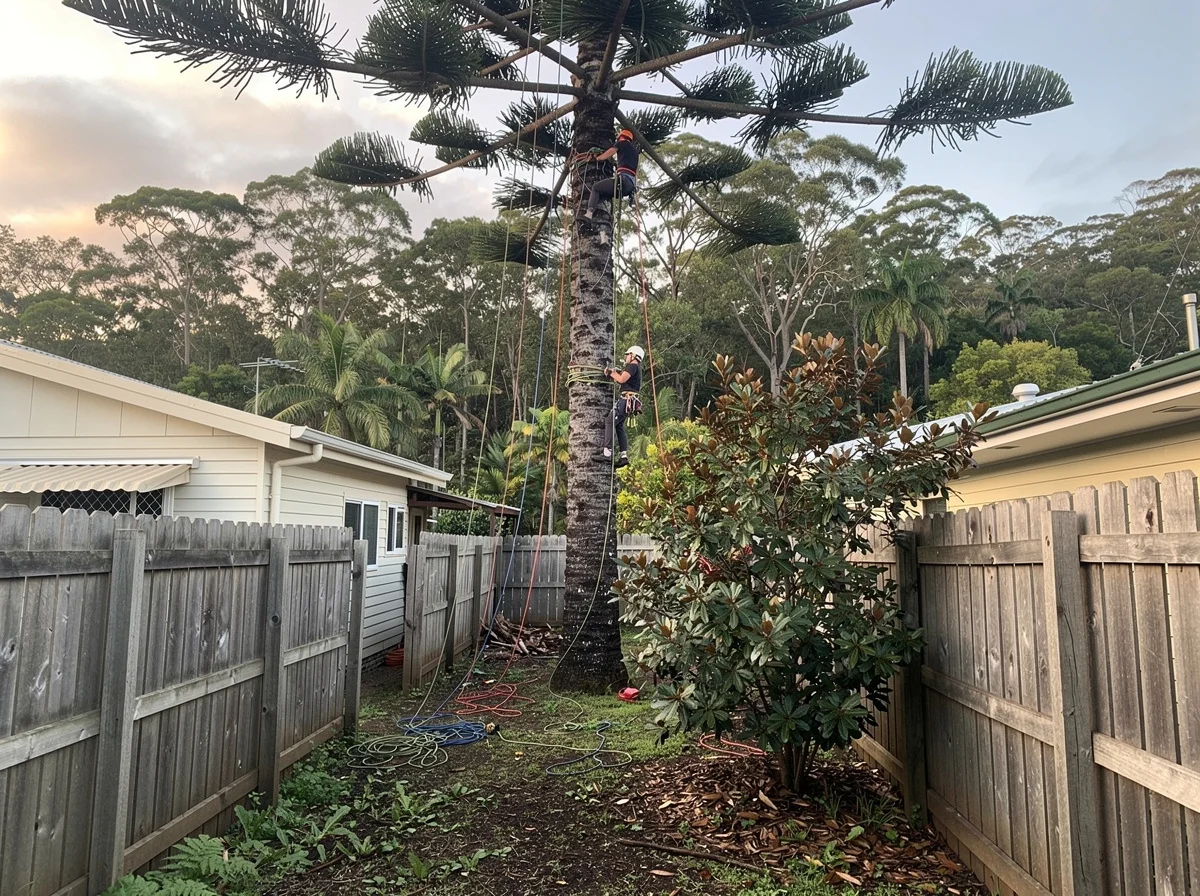
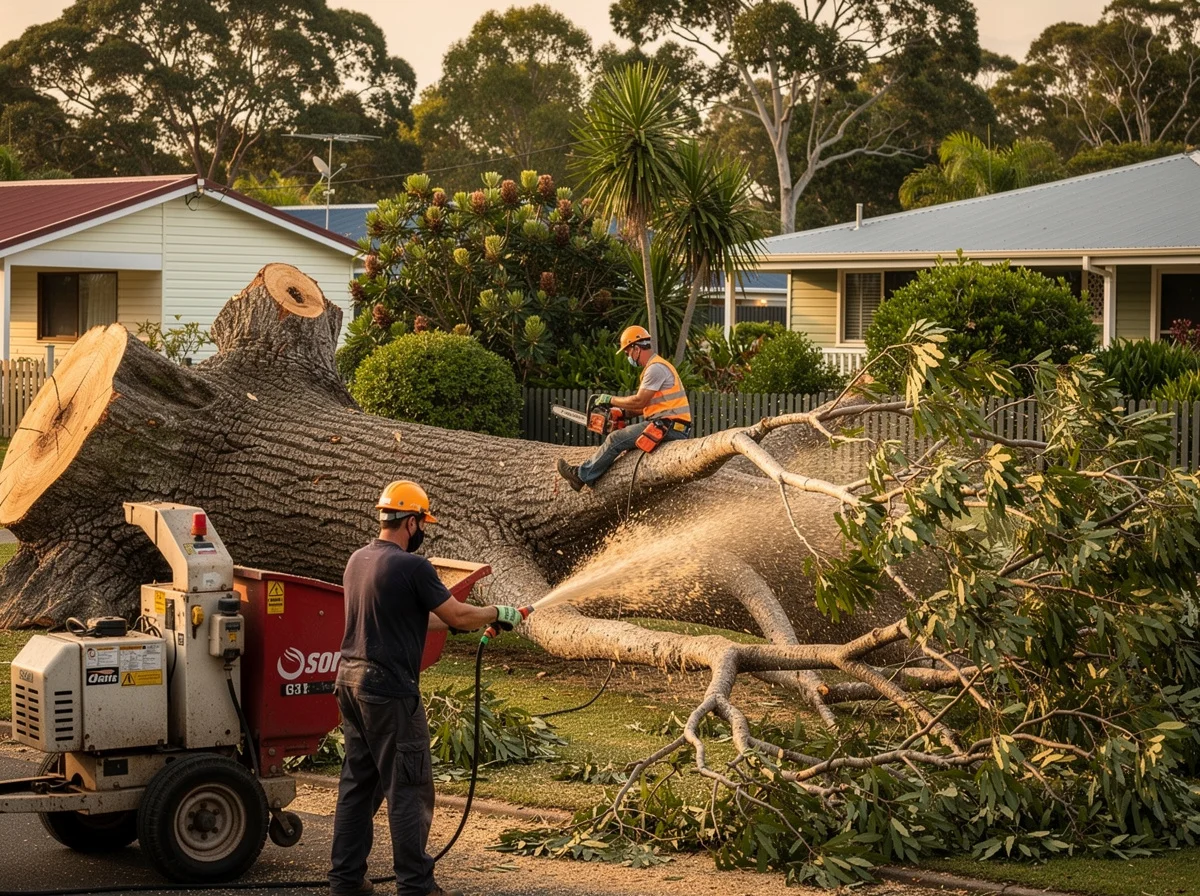
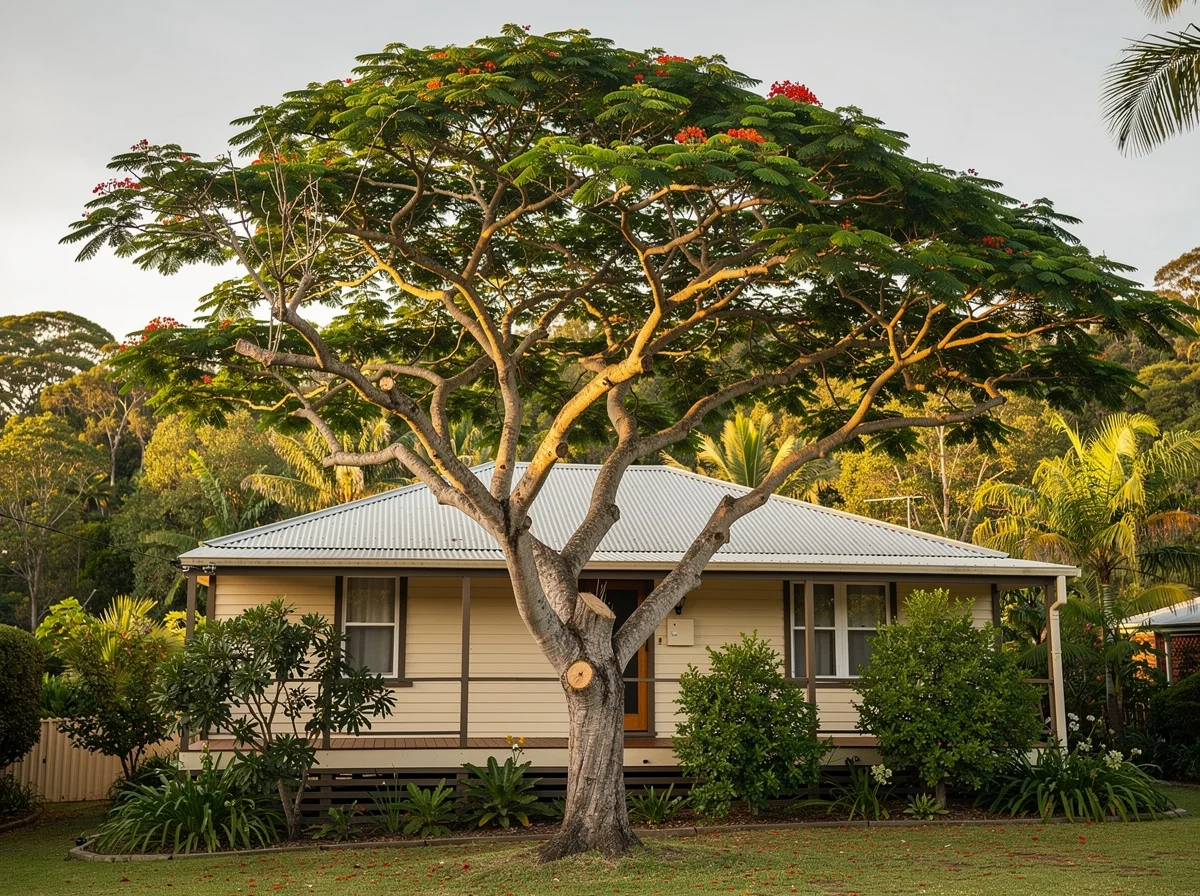
Fingal Head is the headland just south of the river mouth, and it's exposed: salt wind, sandy ground and trees that cop the weather. The work here leans toward coastal species like Norfolk pines, banksias and tuckeroos, holiday-let and second-home blocks where reliable scheduling matters, and a conservation-sensitive edge that means we tread carefully on what comes out.
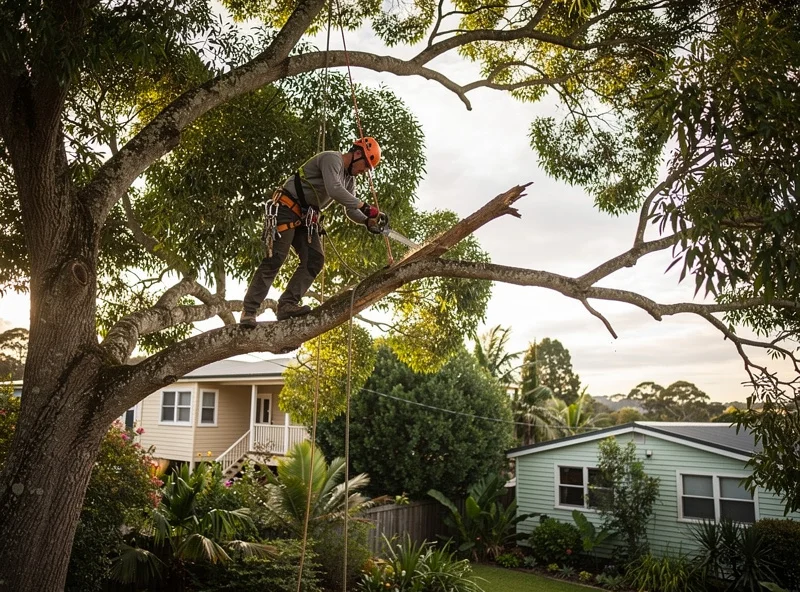
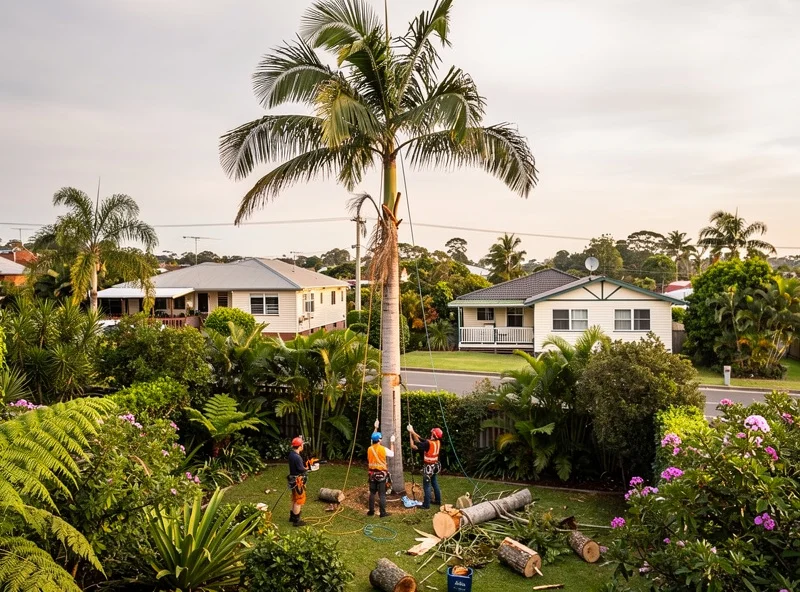
Fingal Head takes the weather. Out on the headland the wind is salt-laden, the ground is sandy, and the trees grow into it: Norfolk pines leaning with the prevailing wind, banksias and tuckeroos, and a fair bit of storm-stress to manage before the next big blow. Coastal tree work is its own thing, and after years on this strip we know how these trees fail and how to take weight off them safely.
The properties here skew toward holiday lets and second homes, which changes the priorities. Reliable scheduling matters when there’s a changeover coming, and so does leaving the site spotless for the next guests. If you’re managing the place from out of town, we keep you in the loop with photos and clear documentation.
The headland is also conservation country. Dune vegetation, anything near the reserve, and several of the local natives carry protection well beyond the standard tree rules, and the Duranbah coast just north is the same. It’s all Tweed Shire (NSW), and we confirm exactly what’s protected on your block before a single cut, so a straightforward-looking job stays straightforward.